
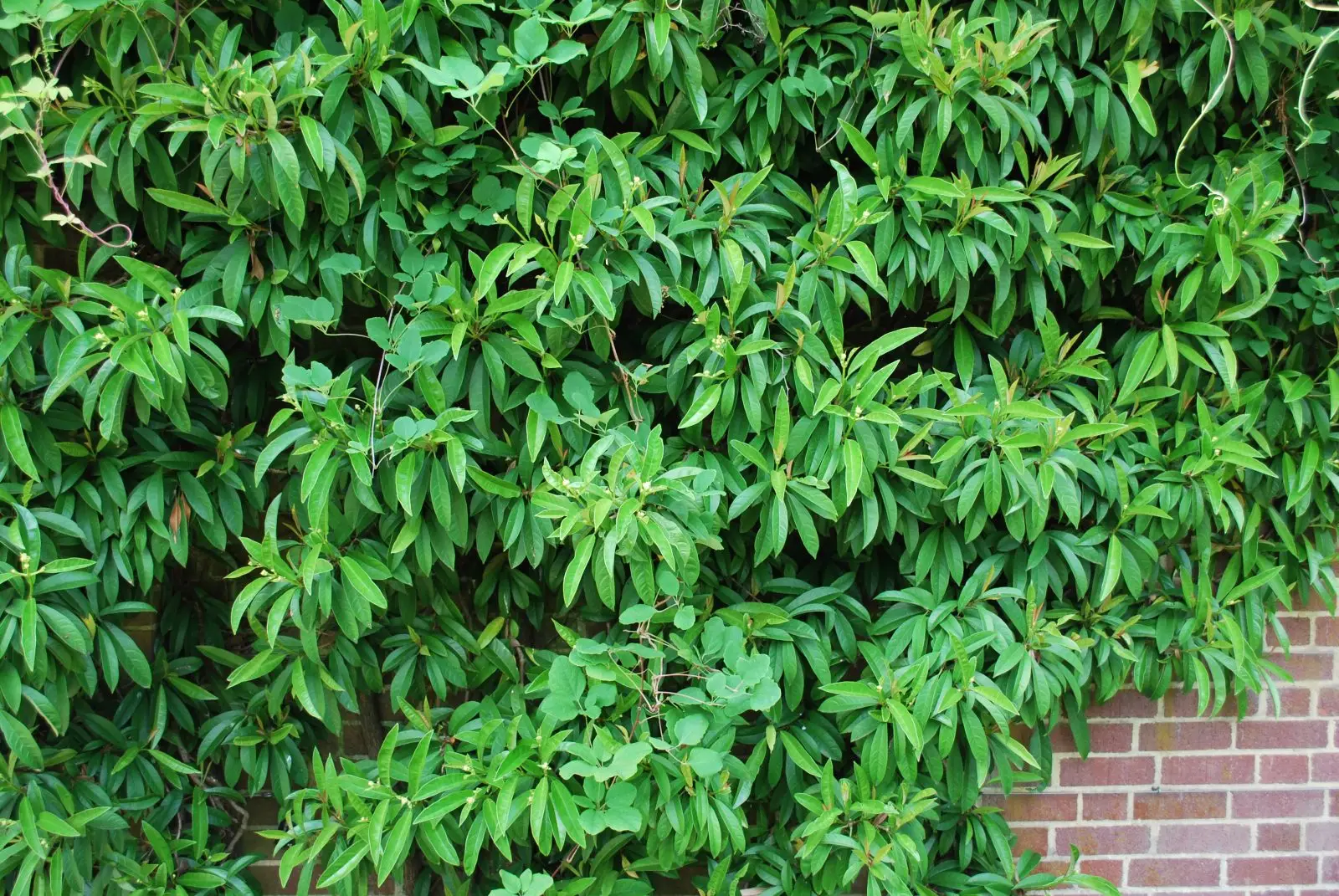
Pileostegia Viburnoides is a stunning and unique evergreen climber that is native to China. This plant is a member of the Hydrangeaceae family and is commonly known as the ‘Climbing Hydrangea’. It features dark green, glossy foliage and clusters of star shaped, fragrant white flowers that bloom in late Summer and early Autumn.
This plant is an excellent choice for gardeners who want to add vertical interest to their landscapes. Its vigorous growth habit makes it perfect for climbing walls, trellises, and fences. It is also an excellent ground cover and can quickly spread over large areas.
In addition to its stunning appearance, this is a low-maintenance plant that is easy to care for. It is tolerant of a wide range of soil types and can thrive in partial shade to full sun. This plant is also relatively pest and disease-resistant, making it an excellent choice for gardeners looking for a hardy and reliable plant.
If you’re looking for a unique and beautiful plant that can add vertical interest to your landscape, this is an excellent choice. Its glossy foliage and fragrant flowers make it a stunning addition to any garden or landscape, and its low-maintenance qualities make it an easy choice for even novice gardeners.
How to care for your Pileostegia Viburnoides
- Soil: Prefers well-draining soil that is rich in organic matter. The pH level should be slightly acidic.
- Watering: Water regularly during the first year to establish the roots. Afterwards, it can tolerate periods of drought, but it is important to water deeply during prolonged dry spells.
- Sunlight: This plant prefers partial shade to full sun. In hot and dry regions, it is best to provide some shade during the hottest part of the day.
- Fertilisation: Apply a slow-release fertiliser in early Spring before new growth begins. Avoid over-fertilisation as this can cause damage to the roots.
- Pruning: Prune in late Winter or early Spring to shape the plant and remove any dead or damaged branches. It can grow vigorously, so it is important to keep it in check to prevent it from becoming too invasive.
- Support: Provide a sturdy support structure for it to climb on. This can be a trellis, fence, or wall. It is important to ensure that the support is strong enough to hold the weight of the plant as it grows.
- Mulching: Apply a layer of organic mulch around the base of the plant to retain moisture and suppress weeds. Do not place the mulch directly against the stem as this can cause rot.


