

Bamboo screening plants are a popular choice for homeowners who are looking to add privacy and beauty to their outdoor spaces. They provide a natural barrier, can help reduce noise pollution, and offer a range of environmental benefits. In this blog post, we’ll explore the benefits of bamboo screening plants in detail and provide tips on choosing, planting, and caring for them.
Part 1: The Benefits of Bamboo Screening Plants
Privacy: One of the main reasons homeowners choose bamboo screening plants is to create privacy in their outdoor spaces. Unlike traditional fences, bamboo plants provide a natural barrier that blends in well with the surrounding landscape. Bamboo plants come in a range of heights, from small shrubs to tall trees, so you can choose the right size for your needs.
Noise Reduction: Another benefit of bamboo screening plants is that they can help reduce noise pollution. The dense foliage of bamboo plants can absorb sound waves and create a quieter outdoor space. This is especially useful if you live near a busy road or other noisy areas.
Environmental Benefits: Bamboo screening plants are an environmentally-friendly choice for your outdoor space. They grow quickly and require minimal maintenance, making them a sustainable option. Additionally, bamboo plants absorb carbon dioxide and release oxygen, helping to improve air quality.
Part 2: Choosing the Right Bamboo Screening Plants
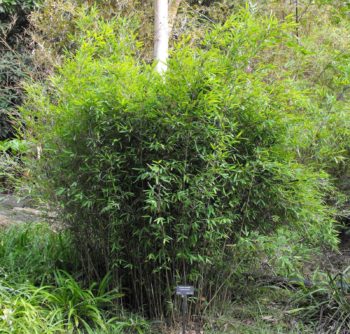
Clumping vs. Running Bamboo: There are two main types of bamboo plants: clumping and running. Clumping bamboo tends to be more compact and easier to control, while running bamboo can spread quickly and may require more maintenance. When selecting bamboo screening plants, consider the space you have available and the level of maintenance you’re willing to undertake.
Size and Height: Bamboo plants come in a range of sizes and heights, so it’s important to choose the right size for your needs. If you’re looking to create privacy, taller bamboo plants may be a better choice. However, if you have a smaller outdoor space, you may want to choose smaller bamboo plants.
Sunlight and Water: Bamboo plants require ample sunlight and water to thrive. When selecting bamboo screening plants, consider the amount of sunlight your outdoor space receives and the level of watering required. Some types of bamboo plants require more water than others, so it’s important to choose plants that are suited to your climate and watering schedule.
Part 3: Planting and Care Tips
Soil: Bamboo plants require well-draining soil to grow properly. If your soil is heavy or clay-based, consider adding compost or sand to improve drainage.
Watering: Bamboo plants require regular watering, especially during the warmer months. It’s important to keep the soil moist but not waterlogged.
Fertilizer: Bamboo plants require regular fertilizer to grow properly. Consider using a slow-release fertilizer that will provide nutrients over time.
Pests and Disease: Bamboo plants can be susceptible to pests and disease. Watch out for signs of infestation, such as yellowing leaves or white powdery residue. If you notice any issues, address them promptly to ensure the health of your plants.
Part 4: Styling Tips for Using Bamboo Screening Plants
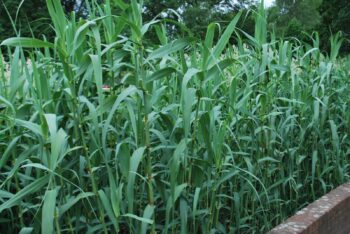
Create a Natural Barrier: Bamboo screening plants are an excellent way to create a natural barrier around your outdoor space. Plant bamboo plants along the perimeter of your property to create a natural fence that blends in with the surrounding landscape.
Privacy Screen: Bamboo screening plants are an ideal choice if you’re looking to create privacy in your outdoor space. Plant taller bamboo plants along the edges of your property or around seating areas to create a secluded space.
Zen Garden: Bamboo plants are an essential element in creating a peaceful, zen garden.
Part 5: Example Bamboo Plants
Here are some examples of bamboo screening plants:
Golden Bamboo (Phyllostachys Aurea)
Black Bamboo (Phyllostachys Nigra)
Giant Bamboo (Dendrocalamus Giganteus)
Fargesia Robusta Campbell (Fargesia robusta ‘Campbell’)
Chinese Dwarf Bamboo (Pogonatherum paniceum)
Heavenly Bamboo (Nandina domestica)
Bissetii Bamboo (Phyllostachys bissetii)
Yellow Groove Bamboo (Phyllostachys Aureosulcata)
Moso Bamboo (Phyllostachys edulis)
Arrow Bamboo (Pseudosasa japonica)
or shop all our bamboos online here: CLICK HERE
In conclusion, bamboo screening plants offer a range of benefits for homeowners looking to add privacy and beauty to their outdoor spaces. They provide a natural barrier that can help reduce noise pollution and offer environmental benefits. When selecting bamboo screening plants, consider the type of bamboo, size, sunlight, and water requirements. Planting and caring for bamboo plants requires attention to soil, watering, fertilizer, and pest and disease prevention. Finally, bamboo screening plants can be styled to create natural barriers, privacy screens, or peaceful zen gardens. Overall, bamboo screening plants are an excellent choice for homeowners looking to create a beautiful and sustainable outdoor space.