

Agapanthus, also known as African Lilies, are beautiful flowering plants that are popular in gardens all around the world. They are easy to grow, require minimal maintenance, and are great for adding colour and texture to your outdoor space. In this blog, we will take a closer look at Agapanthus plants, including their history, characteristics, how to grow and care for them, and their many uses in landscaping – and what makes them one of the most popular choices in gardening!

History of Agapanthus Plants
Agapanthus plants are native to South Africa and were first introduced to Europe in the 17th century by a Dutch botanist named Jan Commelin. The plant’s name comes from the Greek words “agape,” which means love, and “anthos,” which means flower. They have since become popular all around the world and are grown in many different climates growing in popularity year on year.
Characteristics of Agapanthus Plants
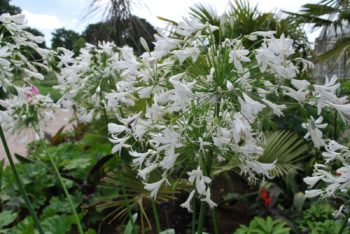
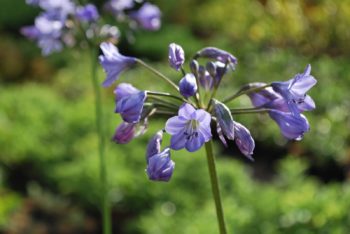
Agapanthus plants are known for their stunning flowers, which can range in colour from blue, purple, and white to pink, red, and even black. The flowers are funnel-shaped and form in clusters on tall, sturdy stems. They bloom in the summer and can last for several weeks. The leaves are long, narrow, and strap-like, and they grow in a clumping habit that makes them ideal for use in borders and as ground cover.
How to Grow Agapanthus Plants
Agapanthus plants, especially the Agapanthus Africanus are easy to grow and can thrive in a variety of soil types and growing conditions. Here are some tips for growing healthy Agapanthus plants in your garden:
Choose a sunny location: Agapanthus plants need plenty of sunlight to thrive, so choose a location that gets at least six hours of direct sunlight per day.
Plant in well-draining soil: Agapanthus plants prefer well-draining soil that is rich in organic matter. If your soil is heavy or clay-like, amend it with compost or other organic matter to improve drainage.
Water regularly: Agapanthus plants need regular watering, especially during the summer months when they are in bloom. Water deeply once a week, or more often if the soil dries out quickly.
Fertilize once a year: Agapanthus plants benefit from an annual application of balanced fertilizer in the spring. Follow the package instructions for best results.
Divide every few years: Agapanthus plants can become overcrowded over time, so it’s a good idea to divide them every few years to keep them healthy and promote better blooming.
How to Care for Agapanthus Plants
Agapanthus plants require minimal care once established, but there are a few things you can do to keep them looking their best:
Deadhead spent flowers: Remove spent flowers to encourage the plant to produce more blooms.
Cut back foliage in the autumn: Cut back the foliage in the fall after it has died back naturally. This will help to prevent disease and promote healthy growth in the spring.
Protect from frost: In colder climates, Agapanthus plants may need to be protected from frost. Cover the plants with a layer of mulch or a frost blanket to help insulate them from the cold.
Uses for Agapanthus Plants in Landscaping
Agapanthus plants are incredibly versatile and can be used in a variety of landscaping applications. Here are some ideas for incorporating Agapanthus plants into your garden:
Borders: Use Agapanthus plants to create a colourful border around your garden beds. They look great when planted in large groups.
Containers: Agapanthus plants are ideal for planting in containers, where they can be moved around to suit your needs.
Mass plantings: For a dramatic effect, mass plant Agapanthus in large groups. This works well in larger landscapes, where the plants can create a striking visual impact.
Cut flowers: Agapanthus flowers are long-lasting and make excellent cut flowers for indoor arrangements.
Poolside plantings: Agapanthus plants are well-suited for planting near pools or water features, as they are drought-tolerant and can handle high humidity.
Slope stabilization: Agapanthus plants have deep roots that can help to stabilize slopes and prevent erosion.
Coastal gardens: Agapanthus plants are often used in coastal gardens, as they are tolerant of salt spray and windy conditions.
In Conclusion
Agapanthus plants are a beautiful addition to any garden, with their striking flowers and easy care requirements. Whether you’re looking for a colourful border plant or a statement-making mass planting, Agapanthus is a versatile choice that can thrive in a variety of growing conditions. With the right care and attention, these plants can bring colour and beauty to your outdoor space for years to come.