

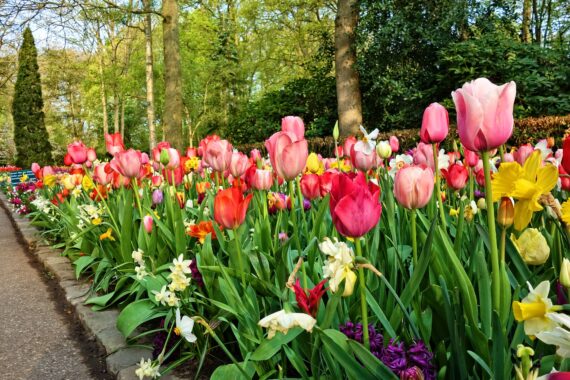
If you are thinking about creating some borders in your garden, or perhaps your current borders are looking a bit messy we have five steps to giving your garden a stunning transformation.
Creating borders in your garden can give it interest all year long and will help it to attract wildlife and pollinators too. Let’s jump straight into it…
1. Planning your borders
You will want to fill your borders with lots of beautiful plants and flowers so the first step when planning where to have them is looking at how much light the area gets. If you are planning to have lots of plants that thrive with plenty of sunlight, then make sure you place your borders accordingly.
If you have existing borders where the current plants are perhaps not flourishing maybe you need to move the plants around according to how much sunlight, they need and how shady their current spot is. The same goes for plants that love shady spots that are planted in areas of day-long sun.
2. Plan the shape
Choose a shape that suits the size of your garden. Straight edges look uniform and work well for large gardens as they don’t mean losing space, however for smaller gardens consider creating interesting curved borders that can give the appearance of more space.
Use string to plan out straight edge borders to make sure they are the same width all along. For curved borders you could use rope or a hosepipe to design your shape.
For existing borders consider reducing the size to neaten up your garden or changing the shape slightly to better suit it and give more room to add some new plants.
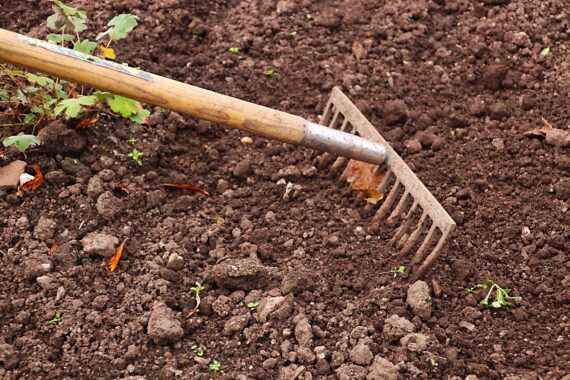
3. Prepare the soil
Remove grass from where your border will be using a turf cutter or spade. Remove rocks, thick roots, and weeds and work the ground to make it good for planting.
For existing borders, you can nourish the soil with some compost and make sure you keep them weed-free.
4. Define the edges
It is important to define the edges so that your lawn doesn’t invade your lovely new garden plants and flowers. You can use edging material to create a definitive edge.
For existing borders, you can re-define lost edges with an edging tool and could consider adding edging material to change the look of the garden.
5. Plan for planting
The real fun starts when you start to plan what plants will fill your borders. Choose a range of colours to keep the garden interesting and vibrant and add some shrubs and grasses to break up the colours with fresh greenery. Evergreen plants will have a constant presence so the garden remains looking lush and they will add structure to the borders.
In your existing borders remove any plants that aren’t doing well and think about plants that could work better.
Research and plan to add the plants you have had your eye on and add something new to care for and to add interest to the garden. (For example the new Rosa Lutea we have recently added!) You could add some taller plants to bring some height to the garden or maybe fill in gaps in the borders with some interesting new additions to keep it looking textured.